How to Make a Funeral Visitation Feel More Personal
A visitation gives relatives and friends time to gather, remember, and support one another. Families considering a funeral home Rio Bravo, TX can use personal details to create a welcoming gathering that reflects the individual’s relationships, interests, and values. A thoughtful visitation does not need an elaborate program; a few carefully selected elements can speak volumes.
Begin With the Person’s Story
Consider what people remember most: a familiar saying, a favorite place, a lifelong hobby, or the way someone welcomed visitors. These details can guide choices about the room, photographs, music, and opportunities to share memories. Start by asking close relatives for three words that describe the person. The answers often reveal a consistent theme that can bring the gathering together.
Choose Photographs That Invite Conversation
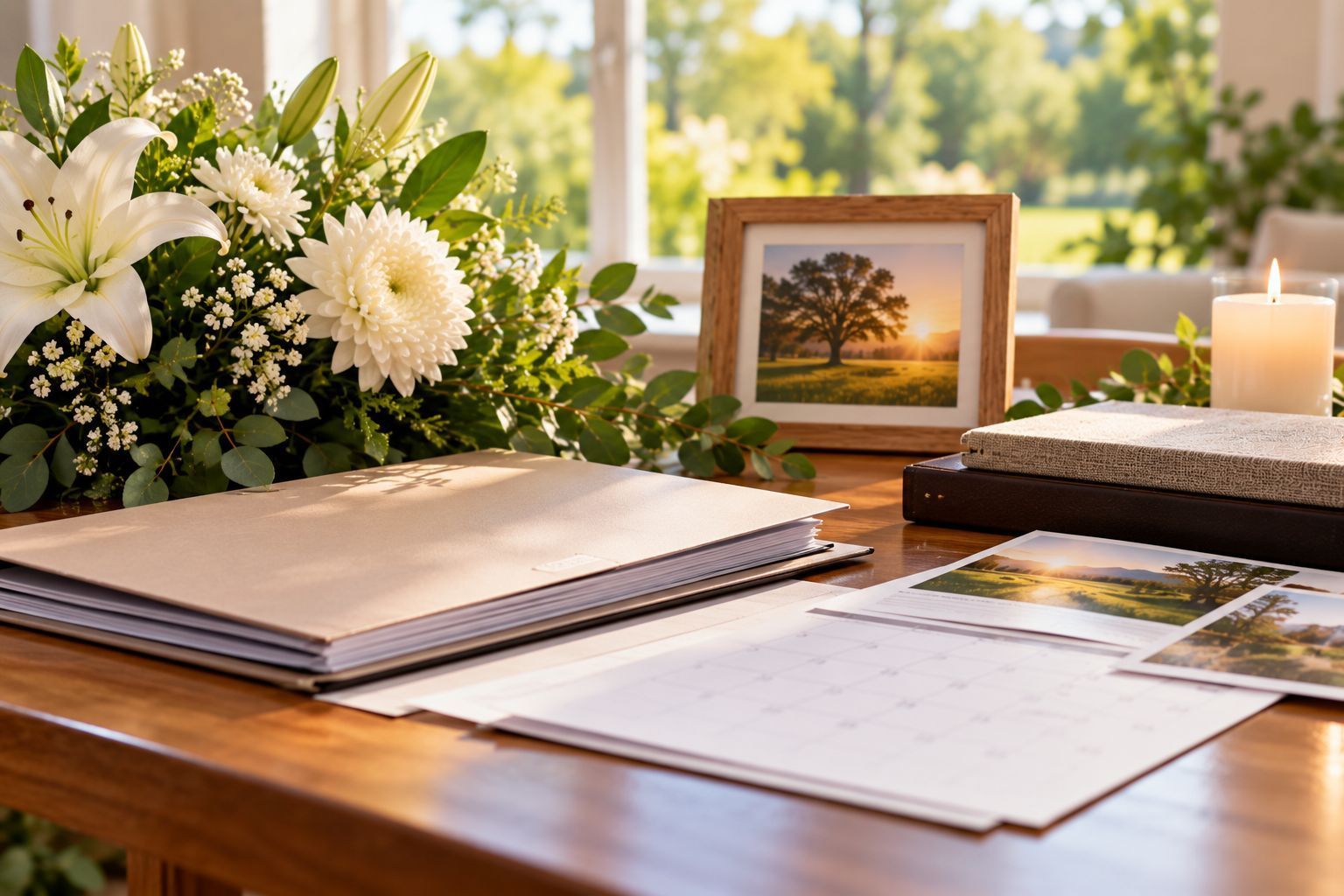
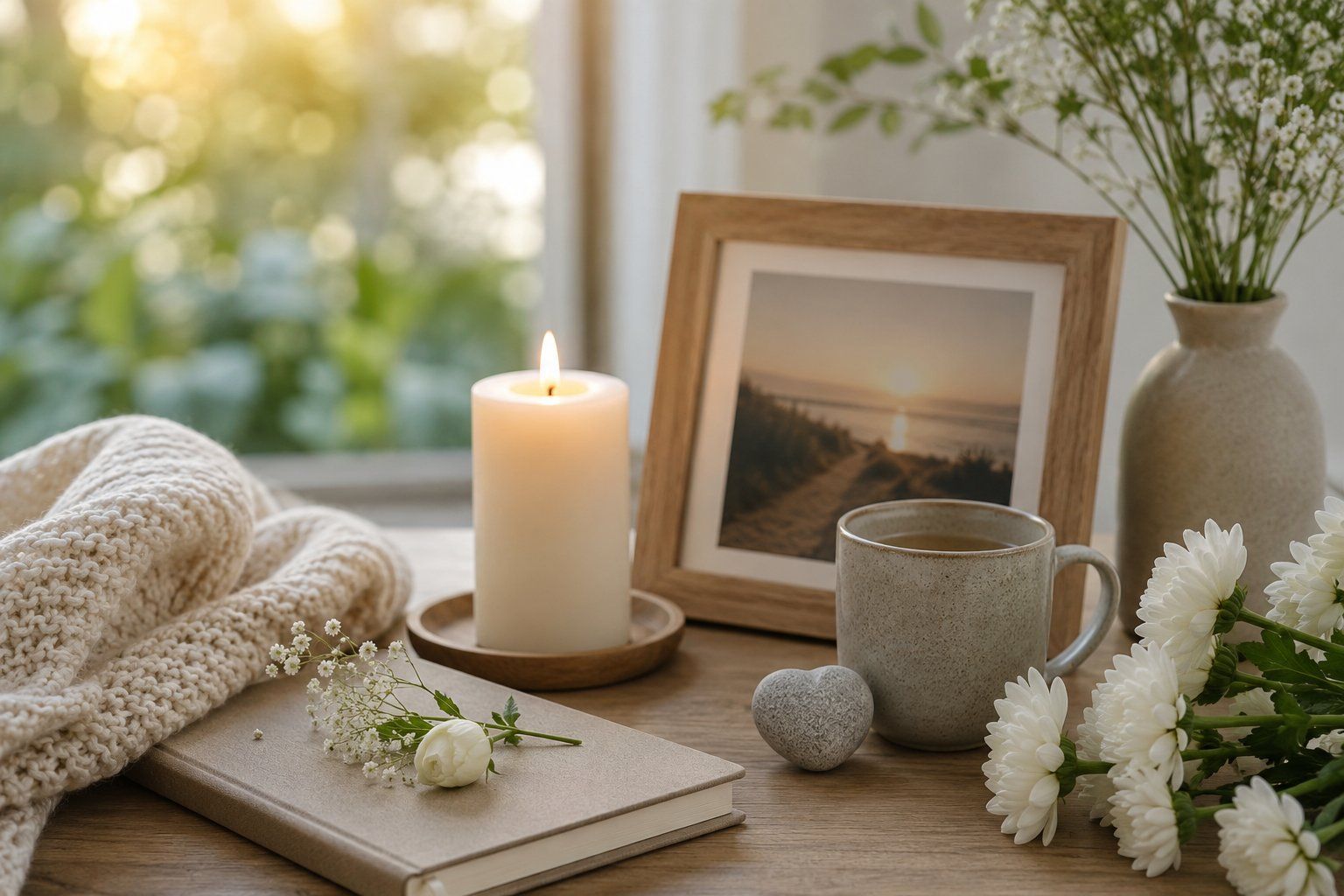
A small collection of photographs can show different chapters of a life. Include everyday moments alongside milestones so guests recognize the person they knew. A chronological arrangement is easy to follow, while a grouping by interests can encourage conversation. Keep the display at a comfortable viewing height and avoid overcrowding the table.
Create a Comfortable Memory Table
A memory table might include a favorite book, craft, team keepsake, recipe card, or travel memento. Select items that are safe to display and easy to understand without extensive explanation. Brief handwritten labels can help visitors connect objects to stories. Invite family members to contribute one meaningful item each so the display represents several perspectives.
Small Personal Touches to Consider
- Display photographs from different life stages.
- Play familiar music at a comfortable volume.
- Provide cards for written memories.
- Include one or two meaningful personal objects.
Use Familiar Music and Thoughtful Readings
Music can set a calm, recognizable atmosphere. Choose songs associated with family gatherings, personal traditions, or quiet reflection, and consider instrumental selections when conversation is expected. Short readings from poetry, literature, or personal writing can also express what mattered to the person. Check sound levels and timing so guests can speak comfortably.
Invite Guests to Share in Their Own Way
Some visitors welcome an invitation to tell a story, while others prefer to reflect privately. Offer several ways to participate without pressure. A guest book, memory cards, or a quiet conversation corner gives people choices. Family members can later revisit the messages and discover memories they had not heard before.
Coordinate Details With Care
A consistent plan makes personal elements easier to appreciate. Decide who will bring display items, who will arrange them, and who will collect them afterward. Consider seating, accessibility, arrival flow, and the space available for conversation. Reviewing the available arrangements ahead of time can help the family make choices that feel manageable.
Make Room for Different Traditions
Families may hold different cultural, spiritual, or personal preferences. Talk openly about which customs are meaningful and how they can coexist respectfully. A quiet moment, familiar reading, or symbolic gesture may provide continuity. The goal is not to make every visitor participate in the same way but to create an environment where people feel welcome.
Plan Together Without Losing the Personal Touch
Invite a few relatives to review the plan and offer suggestions, then choose a clear decision-maker for practical details. Early conversations about preferences can reduce uncertainty and help people focus on what matters. Keep the plan flexible enough for unexpected guests, emotional moments, and spontaneous memories.
Families may find it useful to discuss how to start a family conversation about funeral preplanning before selecting personal details.
Reviewing the range of available funeral gathering options can also clarify which arrangements fit the family’s wishes.
Prepare a Gentle Closing Moment
A visitation may end with a brief reading, shared reflection, or familiar piece of music. A simple closing helps guests understand the transition without making the gathering feel rushed. Families can thank attendees for their presence and explain any next steps privately or through a printed program.
Four Steps for a Personal Visitation
- Gather memories and identify a central theme.
- Select a few photographs, objects, and songs.
- Assign practical responsibilities to family members.
- Review the room layout and final details.
Keep the Experience Warm and Authentic
Meaningful personalization comes from relevance rather than quantity. One photograph with a powerful story can be more memorable than a crowded display. Choose details that feel natural to the person being remembered, and allow enough quiet space for guests to connect. This balance helps a visitation feel sincere and welcoming.
Frequently Asked Questions
What makes a funeral visitation personal?
Details connected to the person’s interests, relationships, and traditions help visitors recognize and remember their unique life.
Can guests contribute memories during the visitation?
Yes. Families can offer a guest book or memory cards and invite stories without requiring anyone to speak.
How many photographs should a family display?
A manageable selection representing different periods and relationships is often more meaningful than an overcrowded display.
Should the visitation include music?
Music is optional. Familiar selections can provide a gentle backdrop when chosen with the family’s preferences in mind.
Plan a Meaningful Visitation
Hillside Funerals & Cremations can help families explore thoughtful choices for a visitation that reflects a cherished life. If you are considering a funeral home Rio Bravo, TX, speak with the team about meaningful details and arrangements. Call (956) 724-6060 to discuss your family’s wishes and ask about a consultation.